Module 2: Managing the Construction Process
You’re the project manager
Rebuilding often requires homeowners to step into a role they never expected: project manager. We know this is not a job you wanted or asked for, and you definitely don’t have to be the expert. But it is helpful to be involved in the process to help keep things on track.
One of our common pieces of advice for homeowners is to be the squeaky wheel. Contractors have multiple jobs going at a time, and if your project isn’t in the front of their mind, it won’t be their priority.
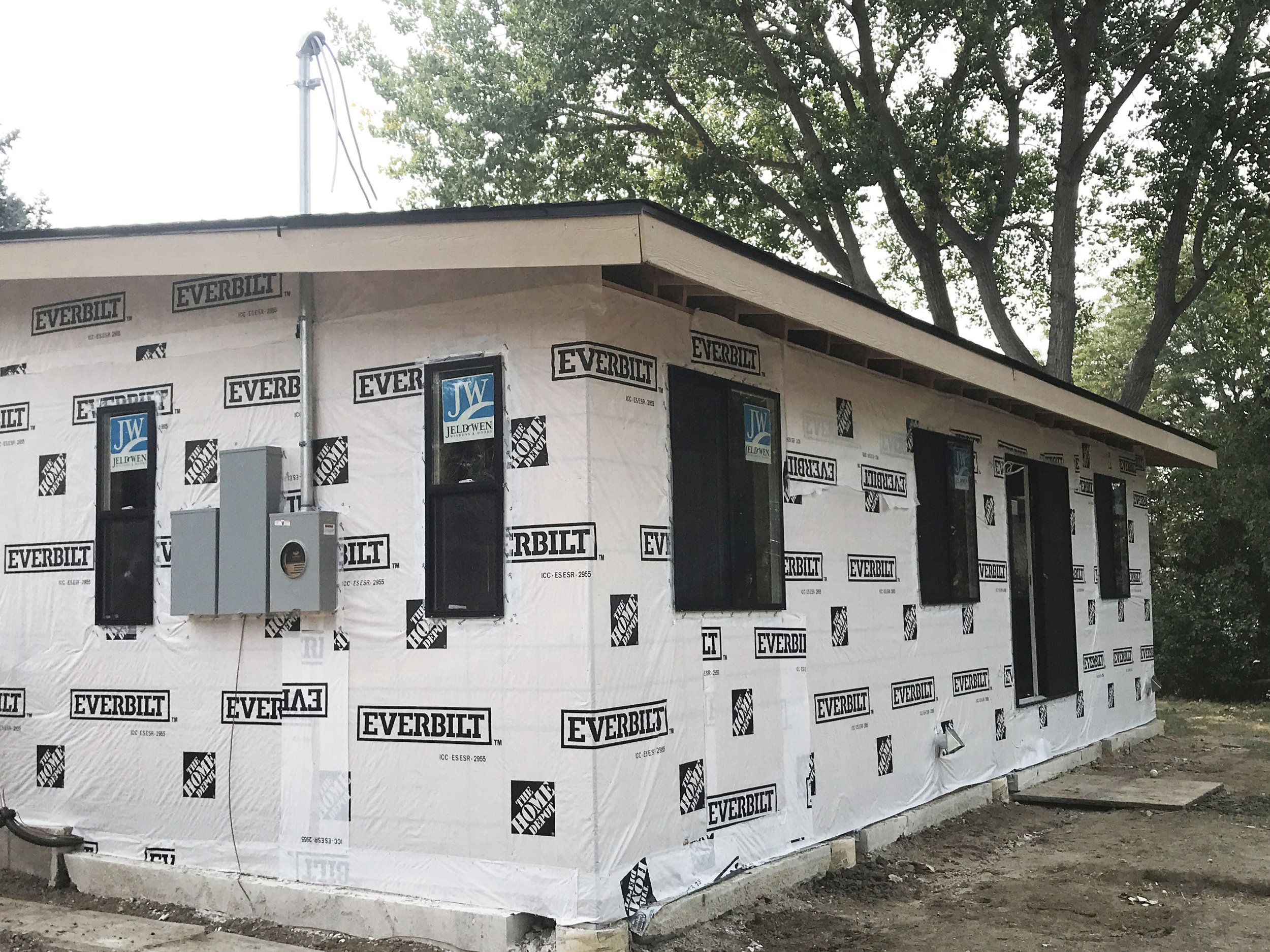
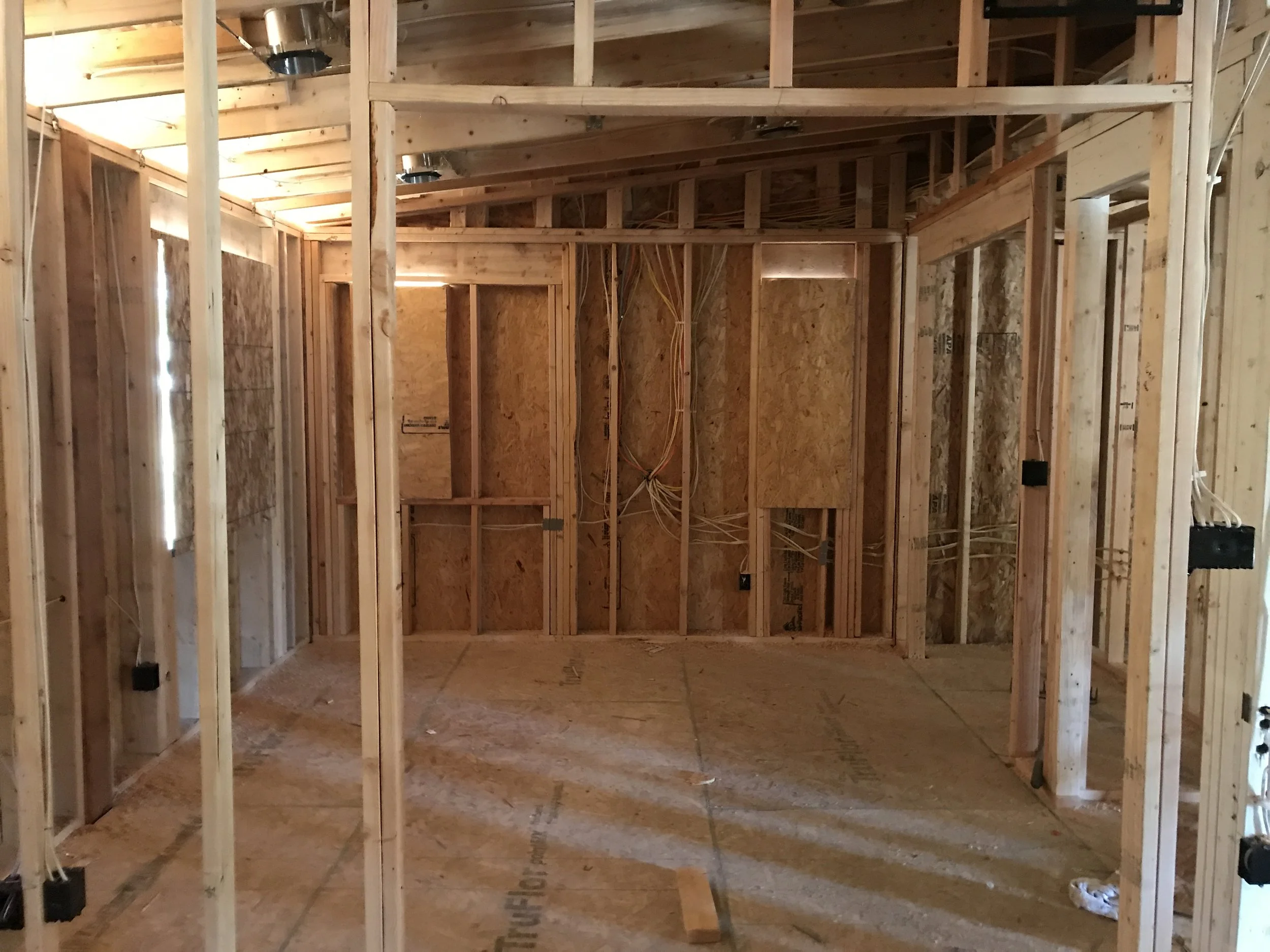
We also recommend taking a lot of pictures during the construction process. You never know what you need to go back and see before it is covered in drywall, and if you have a question about something later you can reference your pictures.
Remember, you don't need to be an expert builder; you just need to stay vocal and keep a visual record of the progress.
Schedule weekly meetings
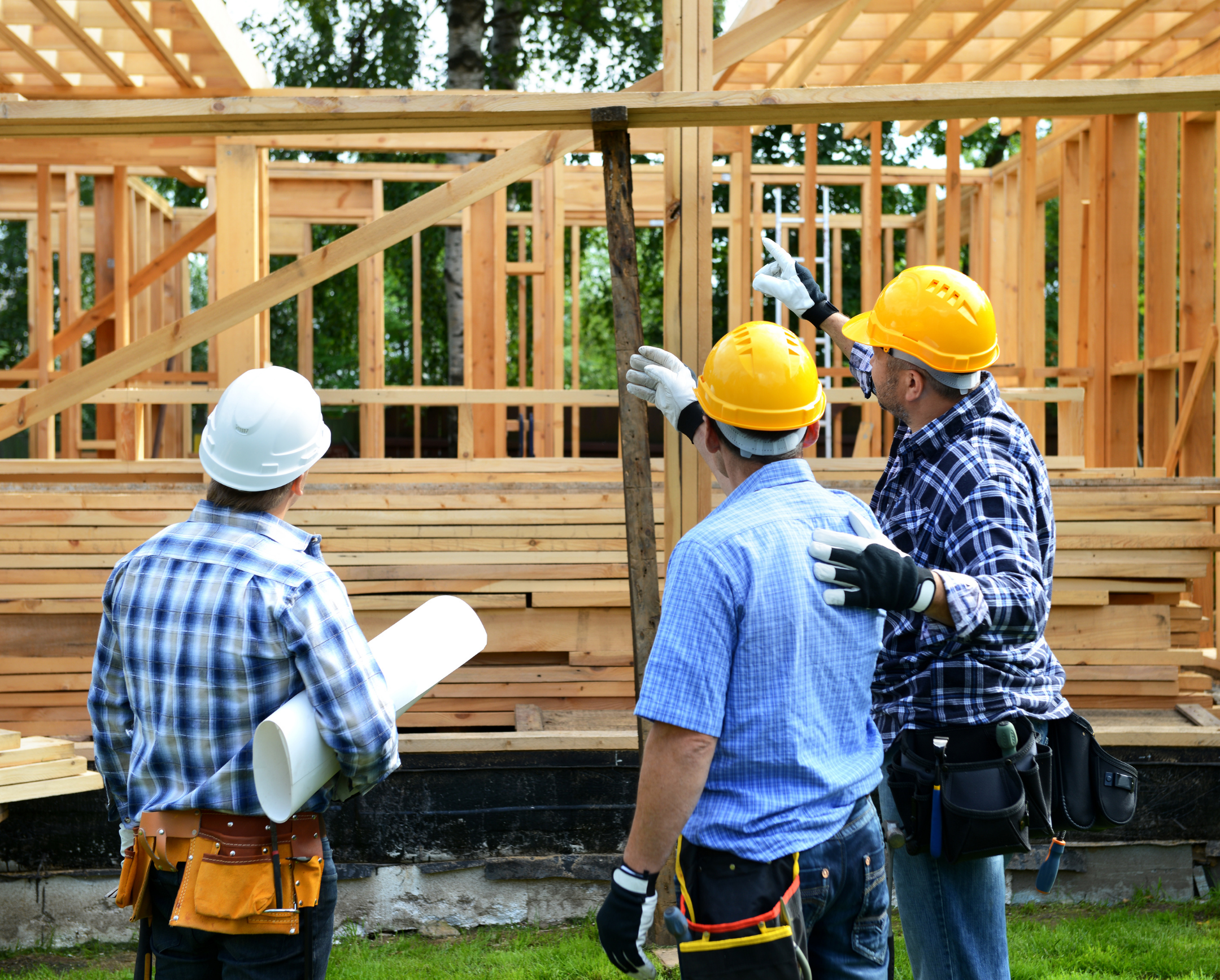
To stay on top of your project, schedule a one-hour weekly walkthrough with your contractor at the house. During this meeting, review the work completed over the past week, discuss the plan for the following week, and identify any decisions you need to make—like picking out hardware or paint—to prevent delays. This consistent face-to-face time keeps the contractor accountable and ensures you aren't being interrupted with small questions throughout the rest of the week.
Stick to the payment schedule
Before you start building, your contractor should give you a payment schedule that ties money to progress. Usually, you’ll pay a small percentage up front for materials, followed by "progress payments" only after specific milestones are hit—like finishing the framing, drywall installed, or final inspection passed.
To protect yourself, keep these three rules in mind:
Don't pay early: If a contractor asks for more money before they’ve finished the agreed-upon work, they are "getting ahead" of the schedule. Do your best to stick to the plan so you maintain leverage.
Use your mortgage company for back up: If your insurance money is held by your mortgage company, they won't release funds until they see proof of progress. You can use their strict rules as an excuse if the contractor pressures you for early payment.
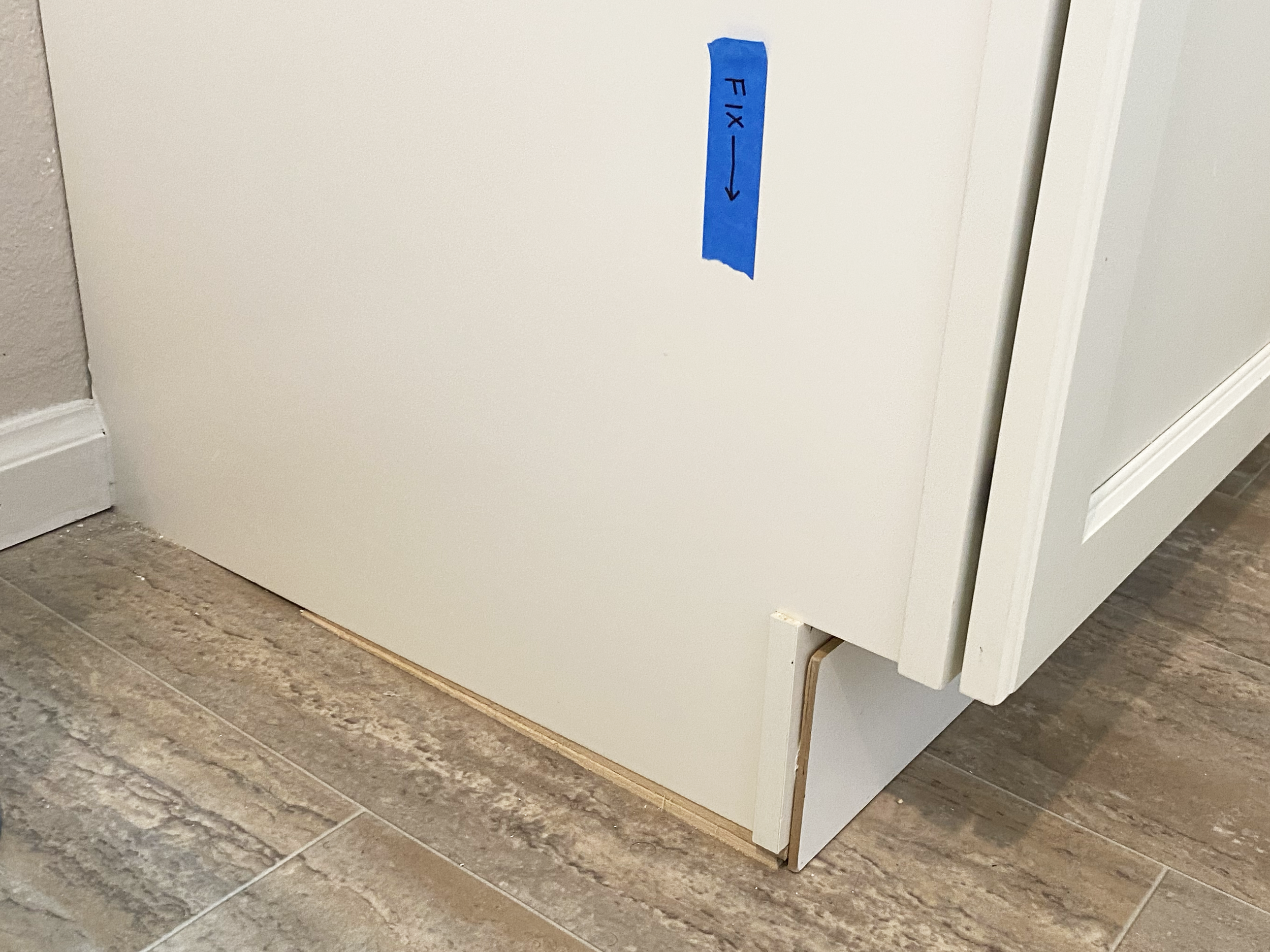
Leave funds for the Punch List: Always keep 5% to 10% of the total cost until the very end. This ensures the contractor returns to finish the "punch list"—those small final details like paint touch-ups, fixing scratches, or installing blinds. Typically this could be your recoverable depreciation funds that you don’t receive until the project is completed.
The permit process
Almost all rebuild projects will need a permit, especially when plumbing and electricity are involved. Try to think of a permit not as red tape, but as safeguards to ensure your home is rebuilt safely and to code. Once the local building department reviews and approves these plans, they issue a permit that allows work to begin. This process is designed to protect you, ensuring your home is rebuilt to code and is legally safe to occupy.
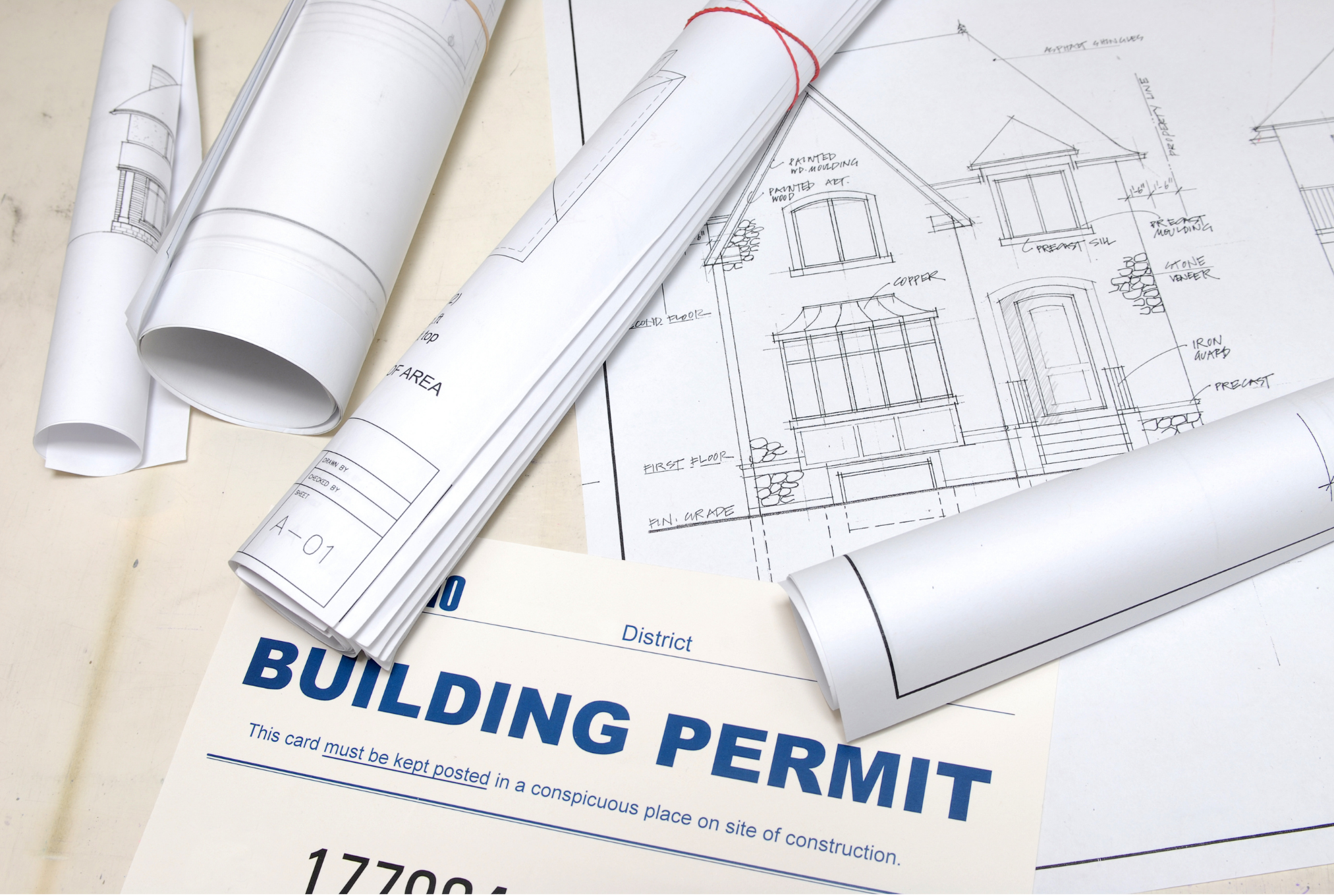
Throughout the project, city inspectors will visit to check the quality of the work. Don't be alarmed if an inspection doesn't pass on the first try; this is actually very common. Building codes change frequently, and different inspectors may interpret a rule in different ways. If a "fail" happens, your contractor will simply make the required adjustments and try again.
While these steps can take time, they are vital safeguards that ensure your home is built back better and more secure than it was before.
Agreeing on the estimate
Avoiding foreclosure