Module 3: Avoiding Foreclosure
The options for loss mitigation
Rebuilding after a disaster is expensive. Sometimes insurance doesn’t cover everything and there are endless expenses that just seem to add up. One of those is continuing to pay your mortgage while you aren’t living in your home. Most mortgage companies and lenders have options to help when you experience a major life change like a disaster. This is called Loss Mitigation and is essentially an agreement between a lender and homeowner when a homeowner gets behind in payments to avoid foreclosure.
Understanding these protections can reduce fear and confusion when dealing with lenders and financial institutions. This module is meant to help you stay informed, grounded, and protected as you navigate decisions that may impact your long-term stability. Here’s the overview of the loss mitigation options:
Deferment: Loan deferment allows you to temporarily pause your mortgage payments, which can be a huge relief during a disaster. Depending on your lender, interest may not grow while your payments are paused—this is common for government-backed loans, but private lenders might still charge it, so you should always double-check. When the pause ends, the missed payments are handled in one of two ways: they are either added to the very end of your loan, which makes your loan period longer, or they are bundled into a single "balloon payment" due when you sell or finish the loan, which keeps your original payoff date the same.

Forbearance: If a lender doesn’t allow deferment, they should offer forbearance. Forbearance is a temporary pause or reduction of your mortgage payments, but unlike deferment, it requires you to pay everything back as soon as the pause ends. Once the agreed-upon period is over, you must resume your regular monthly payments and also "catch up" on the missed amount, either through one large lump sum or by adding extra installments to your monthly bill. It is important to know that interest usually continues to grow while payments are paused, meaning your total loan balance will be higher than when you started.

Loan modification: This is a permanent change to your mortgage agreement designed to make your payments more affordable if you're struggling long-term. By negotiating with your lender, you can create a new plan that might lower your interest rate, extend the length of the loan to reduce monthly costs, or move part of what you owe to the very end of the term. Since lenders generally want to avoid the hassle and expense of foreclosure, they are often willing to work with you on these changes—so even if they don't bring it up first, you should always ask if a modification is an option to help you stay in your home.

Short sale: This is a way to sell your home and walk away from your mortgage even if the sale price doesn't cover the full amount you owe. In this scenario, your lender agrees to accept a lower payoff than what is listed on your loan to avoid the high cost of a foreclosure. While you may still have to negotiate with the lender to settle the remaining debt, a short sale is often the best path for homeowners who are stuck in difficult legal battles or cannot access their property for years. We have worked with condo owners in the past who, facing long HOA legal delays after a fire, decided that selling was the best way to find a fresh start and move forward. It is much less damaging to your credit score than a foreclosure, which means you can usually qualify for a new mortgage much sooner once you are back on your feet.

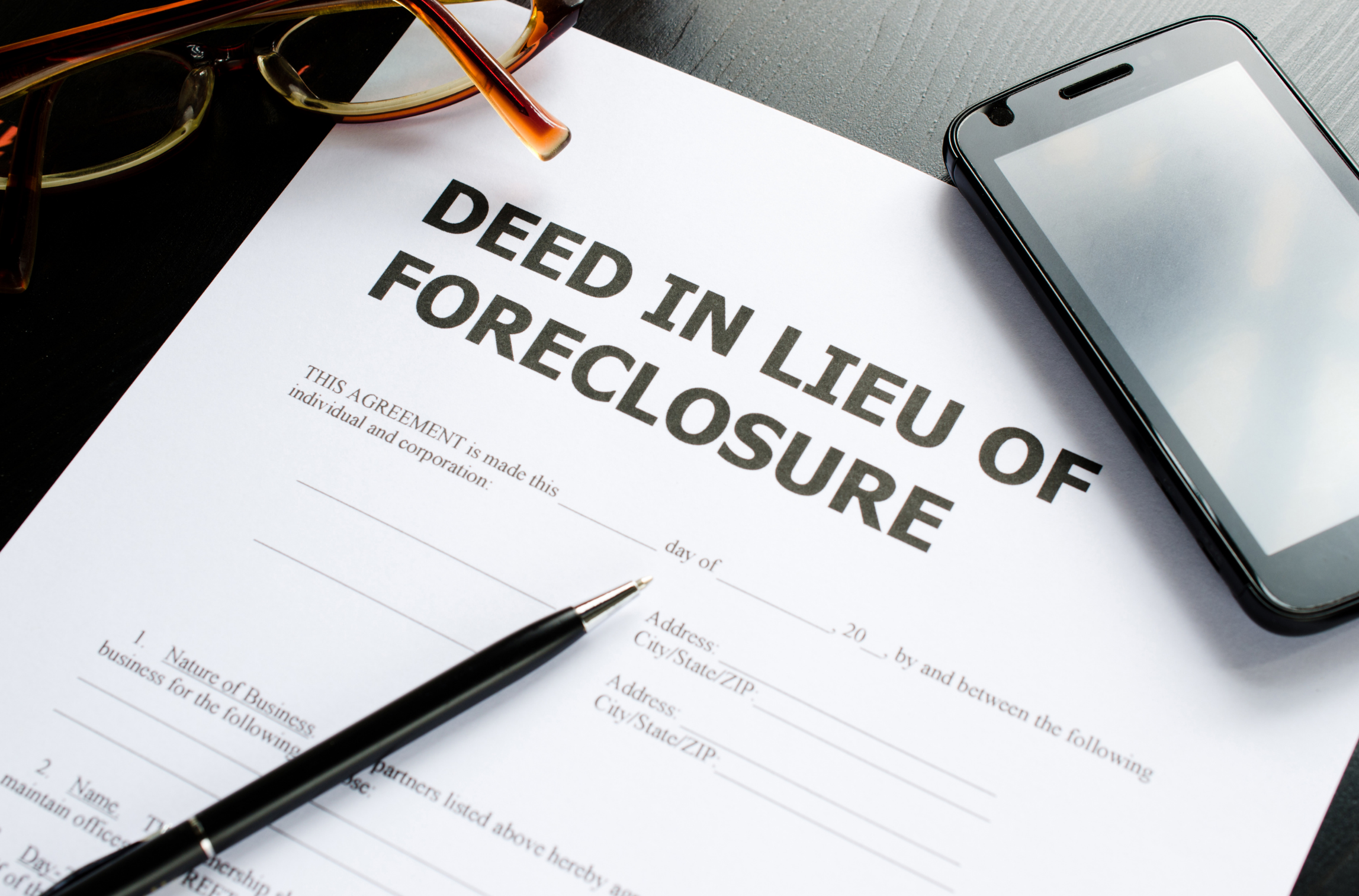
Deed in lieu of foreclosure: A deed-in-lieu of foreclosure is an arrangement where you voluntarily transfer ownership of your home to the lender to avoid the formal foreclosure process. This can be a helpful option if you are ready to move out and want to protect your future ability to buy a home, as it is generally less damaging to your credit than a foreclosure. To ensure you can truly walk away, it is important to confirm with your lender that the agreement covers your entire remaining mortgage balance, potentially exempting you from paying any "shortfall" or leftover debt.
The bottom line: If you think you might need help managing your mortgage, the best first step is to contact your lender to discuss your options; there is no penalty for simply asking what is available. During this conversation, it is crucial to ask if any paused or missed payments will be reported as "late" to credit bureaus, as this can impact your ability to buy another home later. Keep in mind that these programs often have specific income or credit score requirements, so starting the dialogue early will help you understand exactly what you qualify for before you fall behind.
Managing the construction process
Clear communication