Module 4: The Guide for Renters
Do you stay or do you go?
If a disaster makes your home unlivable, you'll have to decide: is it worth waiting for repairs, or is it time to just move on and find a new place? There’s no right or wrong answer, but a few things usually sway the decision. You’ll want to think about how much you actually like the home and the neighborhood, how well you get along with your landlord, and—of course—just how long the repairs are expected to take.
Getting your rent money back
No matter what you decide to do, you shouldn't have to pay rent for a home you can't live in. Since your home is unlivable—likely without power or water—you’re entitled to get a pro-rated refund for the days you aren’t living there, regardless of what caused the damage. If you paid your full rent on the 1st, but a fire forced you out on the 5th, you should get your money back for every day from the 6th until the end of the month. We recommend asking for this rent refund first. Getting your security deposit back can sometimes be a bit more of a process, so it's best to start with the simple rent reimbursement while you sort out the rest.

If you decide to leave
Most states have laws that give renters the right to terminate a lease if their home becomes uninhabitable. Or your landlord may beat you to it and decide to terminate the lease, which is also typically in their right so they can start repairs. Terminating the lease starts the timeline on getting your security deposit returned. Landlords typically have a set window (usually 30 to 60 days) to either return your full deposit or give you a list of exactly what they’re deducting and why. You will want to take note of what day either you or the landlord terminates the lease so you can track the security deposit timeline. You will also want to provide a mailing address to the landlord so they know where to send the security deposit. It is also a good idea to provide a “forwarding order” to the post office so you get all your mail.
Each state has slightly different laws around this, so reach out to us if you need help requesting your lease is terminated or to ask for your security deposit to be returned. We have template letters you can use for these situations.
Where this gets tricky:
Most state laws aren’t very clear about who gets the security deposit when a disaster is an accident or an "Act of God." Since security deposits are technically meant to "repair damages," some landlords might try to keep the money to help cover the repairs they now have to make. Depending on how much the deposit is and what your relationship with your landlord is like, it might be worth pushing back—or it might be easier to just walk away and focus on your next chapter. There’s no one-size-fits-all answer here, but we’re here to help you weigh your options. If you’re not sure what to do, just give one of our Disaster Stabilization Specialists a call, and we can help you figure out the best strategy.
What about your stuff
Depending on how bad the damage is, getting back inside can be a bit of a process. The home might be boarded up and locks changed for safety or to prevent theft. There's also the possibility of asbestos contamination, which requires professional testing and cleanup before anyone is allowed to enter. (The next toolkit will have lots more information on asbestos) If the home is safe and free of asbestos contamination, work with your landlord to get access to your personal property. If you have renter’s insurance, it may be possible to pay for a restoration company to come in and inventory, clean, and store your items until you have a new home to move them into. You as the renter are ultimately responsible for your personal property, not the landlord. You will want to work out an arrangement where you can get access to the property to remove the items in a timely fashion and allow the landlord to survey the property for damages and return your security deposit.
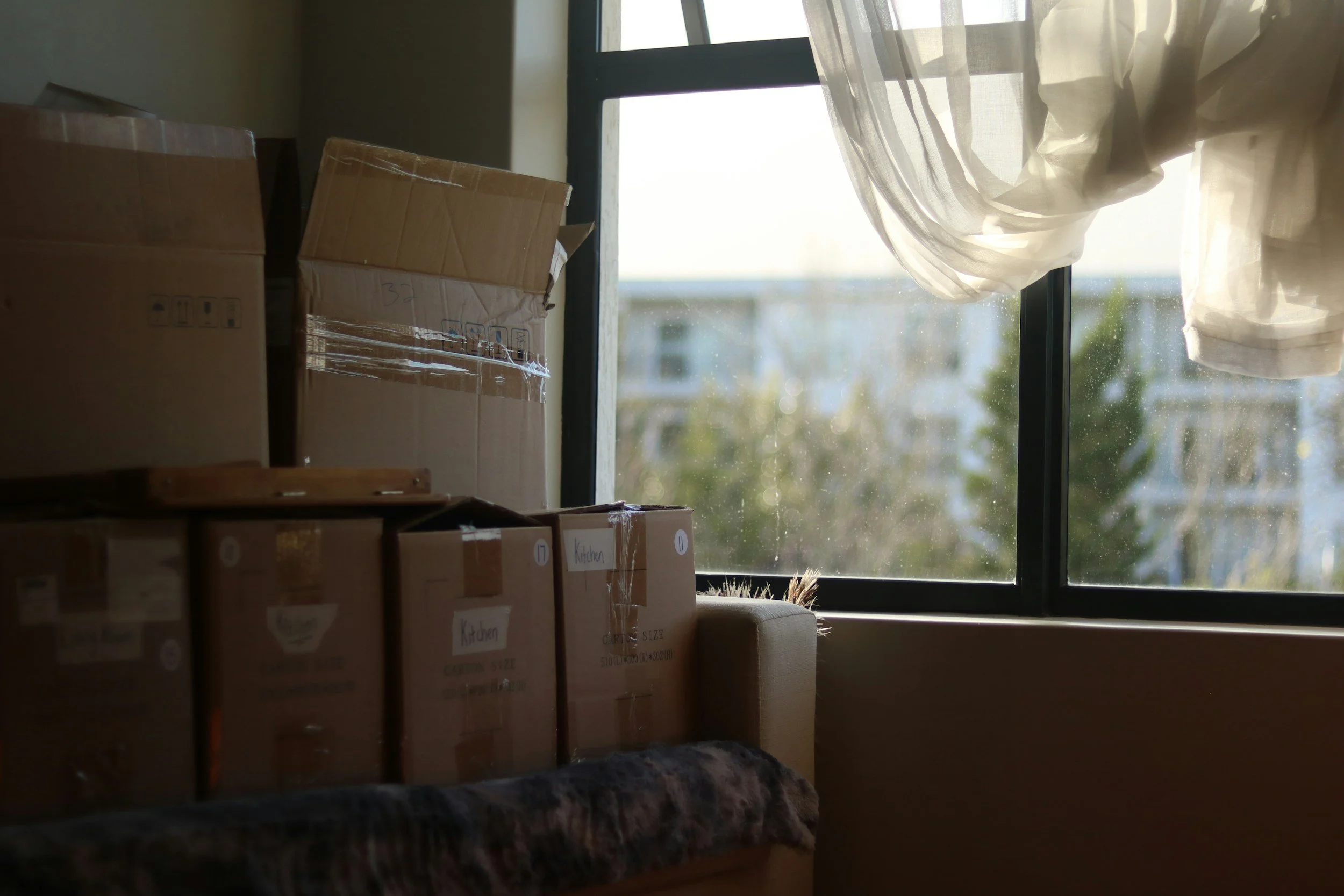
Remember, dealing with landlords and property managers can be tricky, especially after a disaster. Every situation is unique, and it’s completely normal to face some hurdles. If you’re facing a specific issue or just aren't sure what to do next, don’t hesitate to reach out. We’re here to help you navigate the process and figure out the best way forward.
Additional living expenses
Get sleep