Module 1: Homeowners Associations: What to Know
When living in a condo, you may have to navigate two insurance policies, your Homeowners Association (HOA) insurance coverage and your individual homeowners insurance coverage. Navigating these two policies can sometimes create confusion or delays. It’s important to review your building’s specific bylaws to understand how coverage is divided.
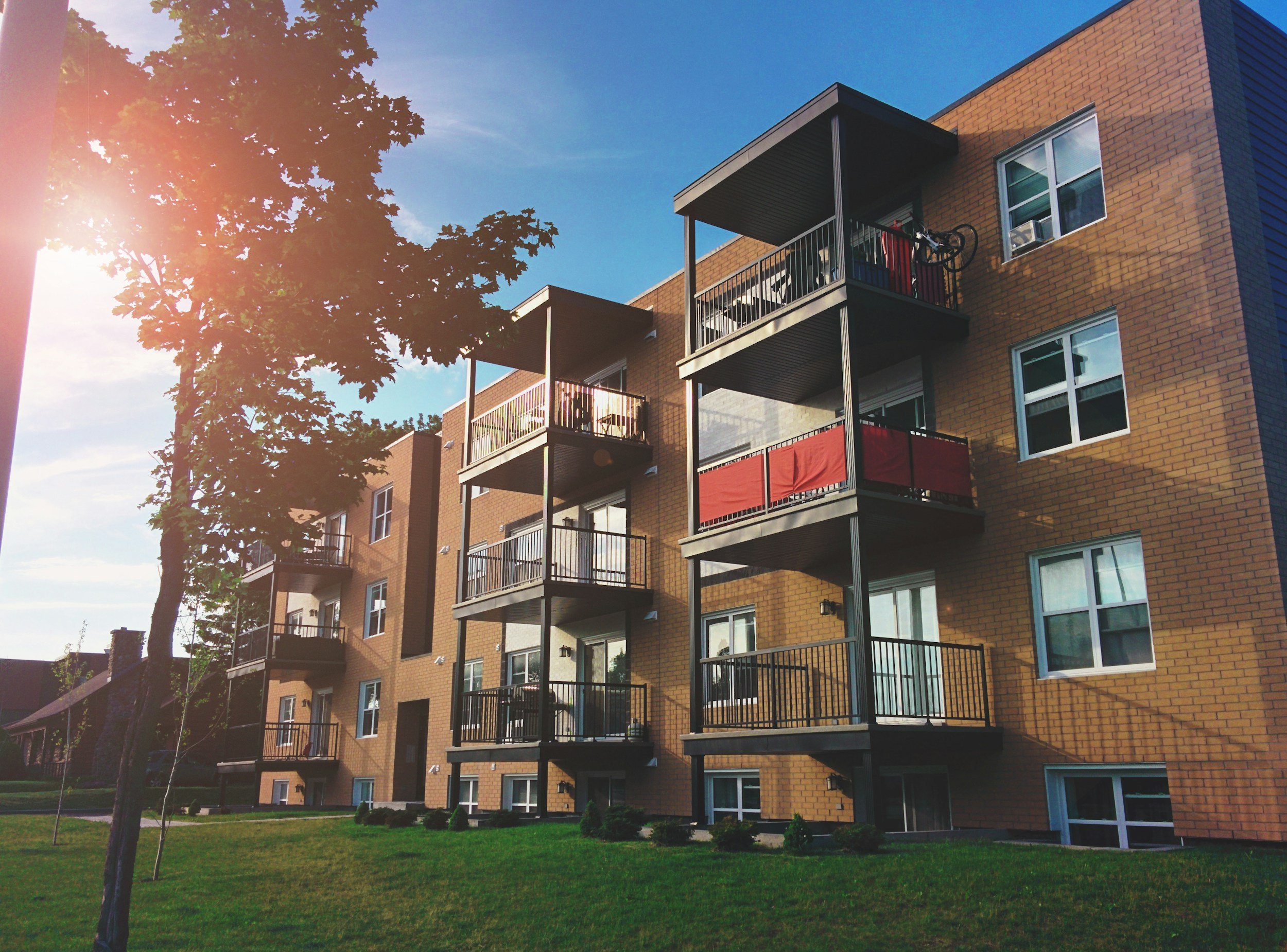
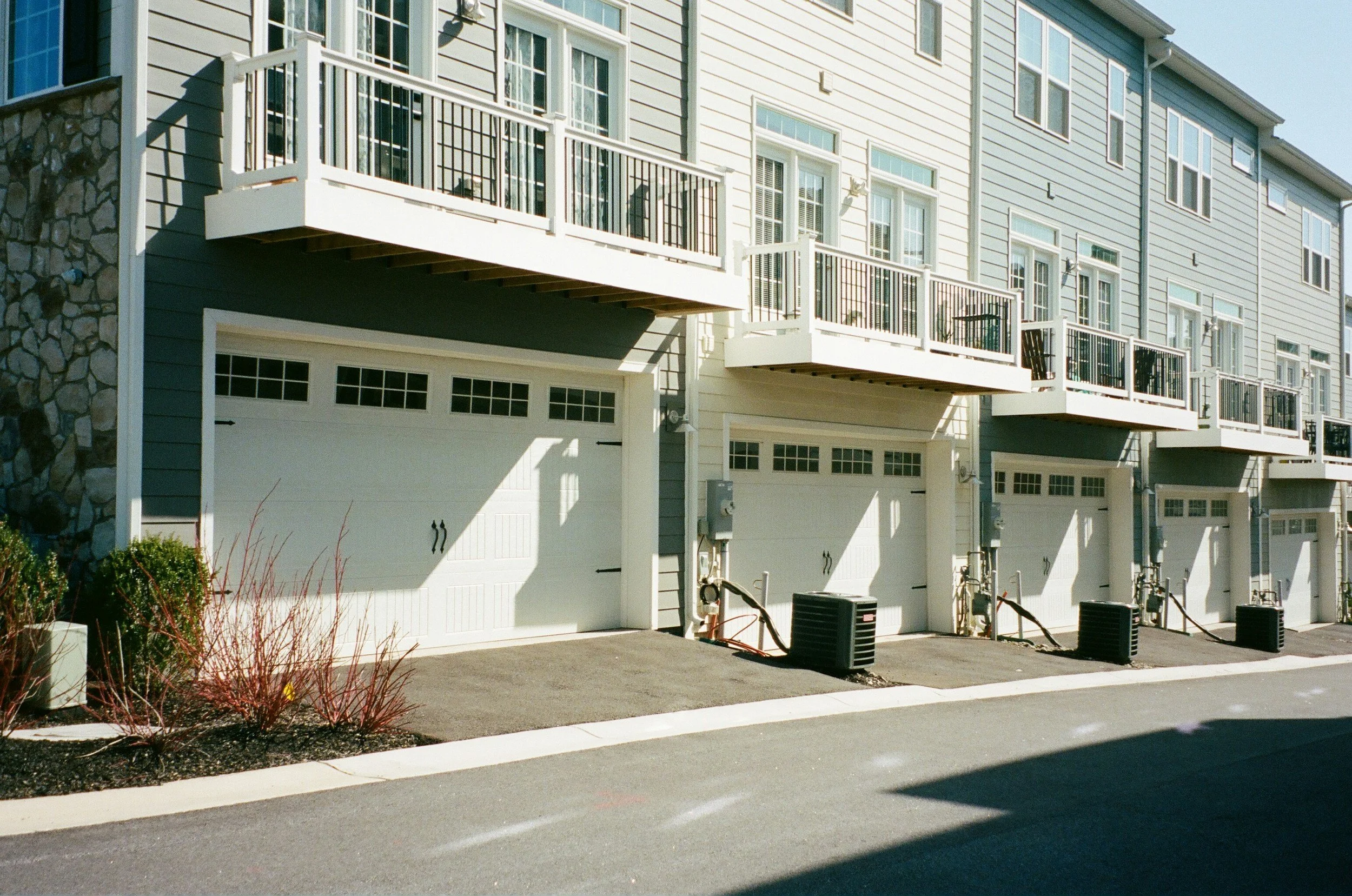
In most condo buildings, the HOA’s insurance covers “walls-out” which generally covers the building's main structure, common areas, and exterior. The owner is responsible for “walls-in” which generally covers everything inside your unit, such as flooring, cabinets, appliances, and your personal belongings. But there are also typically some shared utilities or things like exterior windows, doors, balconies or patios that are less straightforward, as responsibility varies by building.
The HOA bylaws are the rulebook that specifies exactly where the HOA’s coverage ends and yours begins. However, these rules can be vague, and the HOA’s insurance company may have to interpret them, which may not work in your favor.
So knowing where one policy ends and the other begins can help you avoid surprises and advocate for yourself more effectively during the claims process. It is essential to get a final answer from them as soon as possible so you can determine what your own insurance needs to cover and move forward with your claim.
Whose insurance covers what?
Loss assessment coverage
If you own a condo or apartment that has a HOA, then you may also have Loss Assessment Coverage. This coverage will cover the cost of a special assessment, but only if the special assessment is the direct result of an insurance claim the HOA has filed. Here is how it works:
The Problem: If your HOA’s insurance isn't enough to cover a major repair from a fire or wind storm, the HOA may charge every owner a fee to cover the remaining bill.
The Example: If your HOA is $100,000 short on a rebuilding project and charges you $5,000 as your share, this coverage steps in. Let's say a fire destroys one of two buildings in a condo complex. The total cost of repairs is $1,100,000 but the HOA’s insurance policy limit is only $1,000,000. The HOA issues a special assessment to all the owners to cover the $100,000 gap for the rebuilding costs and your share is $5,000.
The Benefit: You can submit your $5,000 special assessment invoice to your adjuster to see if your Loss Assessment Coverage will pay for it instead of you.
Keep in Mind: This coverage only applies if the assessment is related to a claim, not for general maintenance or upgrades.
Paying your HOA dues
After a disaster, your expenses can feel overwhelming, but keeping up with your HOA dues is critical. Even if you cannot live in your home right now, you are still legally responsible for these payments.
Here is why skipping these payments is risky:
The HOA can place a lien on your home: This is a legal claim against your property to ensure you pay what you owe.
It can lead to foreclosure: In the worst-case scenario, state laws may allow the HOA to foreclose on your property to collect unpaid dues.
It damages your credit: A lien will hurt your credit score and make it much harder to sell your home in the future.
You must pay it back to sell: If a lien is placed on your home, that debt must be fully paid off before you can finalize a sale to a new owner.
The Bottom Line: Think of HOA dues as a mandatory expense, similar to your mortgage, that must be maintained to protect your ownership of the property.